 VapeWholesaleHub
Private Label Nicotine Level: Steps From Idea to Carton — Seasonal Demand Peaks
We ship nicotine level to distributors in very different markets, and the same five questions come up almost every week. Rather than answer them in email each time, we have written them out properly here.
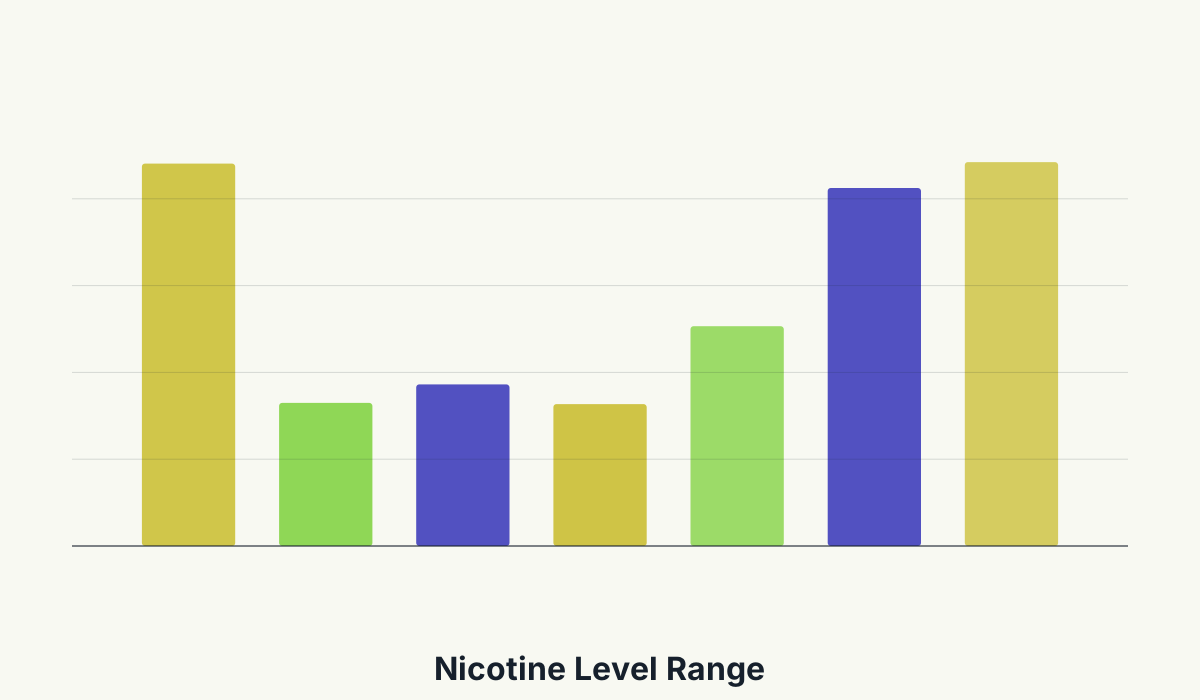
Market Signals
The most durable nicotine level lines over the last few years have been unglamorous and consistent. Novelty sells once; reliability sells every month.
The Specification That Matters
Good nicotine level specs describe the failure boundaries, not just the target. Stating what is unacceptable gives the factory a clear production window instead of a single point they will miss half the time.
Ask for the nicotine level specification in the same units you intend to measure in. A metric quoted in a form you cannot verify on arrival is not a specification, it is a claim.
| Product category | Open system |
|---|---|
| Resistance band | 1.0 - 1.2 ohm |
| Capacity tolerance | +/- 5% |
| Puff count method | Machine cycle 2s on / 18s off |
| Master carton | 100 units |
| Carton weight | 8.3 kg |
| Shelf life | 24 months |
| Storage | 15-25 C, dry, away from direct light |
Inspection Before Dispatch
Incoming inspection for nicotine level is not about opening boxes at random. We weigh a sample of cartons, check batch codes against the production record, run a draw resistance measurement, and log the results so that a complaint three months later can be traced to a specific run.
- Write the complaint threshold into the order terms.
- Model landed cost, not ex-works price, when comparing quotes.
- Ask how the factory measures puff count, then compare like with like.
- Agree the tolerance band in writing before approving artwork.
- Plan the switch from air to sea freight before you need it.
Modelling a Healthy Margin
Tiered pricing works best when the tiers match real customer behaviour. Most nicotine level buyers will take the second tier if the step is modest and the third tier only if they can see a genuine reason to hold more stock.
When you model nicotine level pricing, build in a realistic shrink figure. Even a well run line loses a small percentage to damage, expiry and sampling. Pretending that number is zero is how a healthy looking margin turns negative.
Indicative reference points for planning purposes: entry tier from USD 2.21 per unit at 500 units, mid tier at USD 0.79, and volume tier at USD 0.52 for full container quantities. These figures move with specification, packaging and freight, so treat them as a shape rather than a quote.
Selling Nicotine Level at Store Level
Online, shoot nicotine level at a consistent scale across the range. Customers compare by eye, and inconsistent product photography creates returns that have nothing to do with the product.
Practical Checklist
- Agree the tolerance band in writing before approving artwork.
- Ask how the factory measures puff count, then compare like with like.
- Rotate stock by batch code rather than by delivery date.
- Write the complaint threshold into the order terms.
- Start with a mixed carton and let your own sell-through decide.
- Model landed cost, not ex-works price, when comparing quotes.
Frequently Asked Questions
Can you match an existing product I already sell?
Often yes, provided we can measure it properly. Send a physical sample and we will report back on what can be matched, what will differ slightly, and why. An honest gap is more useful than a vague promise.
What if a batch does not match the sample?
Keep the retained samples from the approval stage. If a delivered batch measurably differs, we compare against the retained set and resolve it against the production record. This is why we insist on sealed retained units from every run.
What happens if my market changes its rules?
Regulations move, and packaging or documentation sometimes has to follow. We keep approved artwork files on hand so that a required change is a reprint rather than a redesign, which keeps the cost and delay down.
Do you hold stock for regular customers?
For established programmes we can reserve production slots and, in some cases, hold finished nicotine level stock against a forecast. It removes most of the lead time risk from a reorder and is worth discussing once volumes are stable.
What if I only need a small first order?
That is normal and sensible. A mixed carton lets you test nicotine level in your own market before committing to a production run, and the specification you approve at that stage carries through to larger orders unchanged.
Next Step
If you are comparing options right now, send us the specification you have been quoted elsewhere. A side by side reading usually shows where the price difference actually comes from, and that is the most useful first conversation to have.
Related Reading
- Reading a Nicotine Level Quotation Line by Line — North America
- Nicotine Level Display Ideas for Small Counters — Multi-Warehouse Networks
- Nicotine Level Flavour Development: From Brief to Production — Highly Regulated Markets
- How to Brief a Factory on Nicotine Level — Repeat Orders
- Nicotine Level Nicotine Strength Selection for Mixed Cabinets — 2026 Edition
- Building a Nicotine Level Catalogue Your Sales Team Can Use — Online Sellers