 VapeWholesaleHub
Pricing Nicotine Level for Healthy Retail Margins — Warehouse Teams
If you are comparing nicotine level suppliers right now, you are probably looking at three quotes that look identical and cost very different amounts. That gap usually comes down to cell grade, coil consistency and how honest the factory is about tolerances. Let us unpack it.
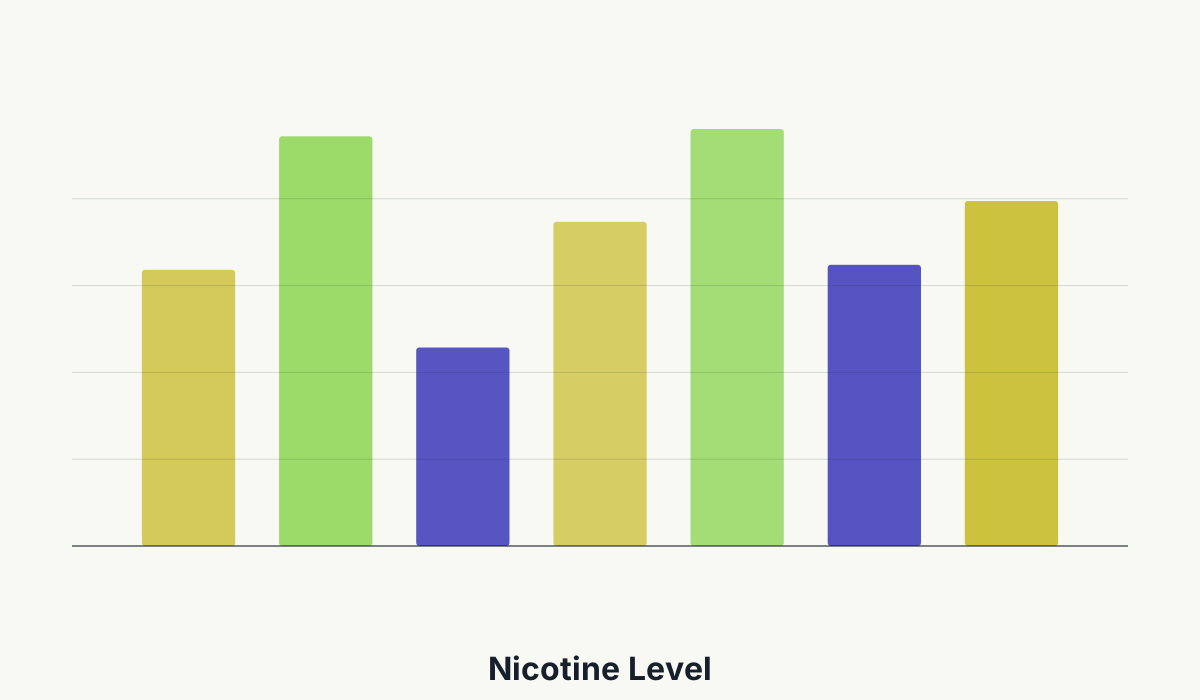
Modelling a Healthy Margin
Watch the nicotine level price you pay over a year rather than per order. Factories respond well to visible volume, and a quarterly review is usually worth more than a hard negotiation each time.
When you model nicotine level pricing, build in a realistic shrink figure. Even a well run line loses a small percentage to damage, expiry and sampling. Pretending that number is zero is how a healthy looking margin turns negative.
Indicative reference points for planning purposes: entry tier from USD 1.66 per unit at 500 units, mid tier at USD 1.62, and volume tier at USD 1.13 for full container quantities. These figures move with specification, packaging and freight, so treat them as a shape rather than a quote.
How Nicotine Level Batches Are Checked
The defect rate that matters is the one your customer experiences, not the one the factory reports. Bridge that gap by inspecting the way a customer would open the box, not the way a line worker packs it.
Inspection is only useful if the result is recorded somewhere you can find it later. A nicotine level batch log with weights, codes and measurements turns a future complaint into a five minute lookup.
- Keep sealed retained samples from every production batch.
- Model landed cost, not ex-works price, when comparing quotes.
- Agree the tolerance band in writing before approving artwork.
- Rotate stock by batch code rather than by delivery date.
- Ask how the factory measures puff count, then compare like with like.
Where Demand Is Heading
One visible change in nicotine level is the move towards clearer labelling and traceability. Retailers who adopted batch coding early are finding it much easier to work with larger distributors now.
What to Fix Before Approving Nicotine Level
Where possible, tie part of the nicotine level payment to inspection against the written spec. It focuses attention on the numbers rather than on the relationship.
Good nicotine level specs describe the failure boundaries, not just the target. Stating what is unacceptable gives the factory a clear production window instead of a single point they will miss half the time.
| Product category | Refillable kit |
|---|---|
| Resistance band | 1.2 - 1.4 ohm |
| Capacity tolerance | +/- 2% |
| Puff count method | Machine cycle 2s on / 18s off |
| Master carton | 100 units |
| Carton weight | 11.6 kg |
| Shelf life | 18 months |
| Storage | 15-25 C, dry, away from direct light |
Positioning Nicotine Level on Your Shelf
Before anything else, decide which customer you are buying nicotine level for. A convenience counter with limited shelf depth needs a tight range that turns quickly, while a specialist shop can carry a deeper ladder of options and educate buyers into higher ticket lines.
A tight nicotine level range with deep availability usually outsells a wide range with thin stock. Customers who find their line in stock come back; customers who are told to wait do not.
Getting Nicotine Level to Your Warehouse
Plan the nicotine level customs paperwork at the same time as the order, not when the goods are on the water. A missing document costs more in demurrage than the entire freight saving from a cheap forwarder.
Freight is the hidden half of nicotine level unit economics. A denser master carton can save more per unit than a hard negotiation on factory price, because the saving repeats on every reorder rather than once.
Practical Checklist
- Check carton dimensions against your freight quote before confirming.
- Confirm the current customs classification with your own broker.
- Write the complaint threshold into the order terms.
- Plan the switch from air to sea freight before you need it.
- Start with a mixed carton and let your own sell-through decide.
- Keep sealed retained samples from every production batch.
Frequently Asked Questions
What if I only need a small first order?
That is normal and sensible. A mixed carton lets you test nicotine level in your own market before committing to a production run, and the specification you approve at that stage carries through to larger orders unchanged.
How should nicotine level be stored?
Cool, dry and out of direct sunlight. Heat and light are the two things that shorten shelf life fastest. Rotate stock by batch code rather than by arrival date, and keep cartons off concrete floors in humid warehouses.
Can I mix strengths in one order?
In most cases yes, as long as each strength meets the minimum run length. Mixed strength cartons are popular with retailers building their first display because they show the full ladder without over committing.
Is there support for in-store material?
Yes. Shelf talkers, counter cards and simple planogram suggestions are available for nicotine level ranges that reach a sensible volume. Most retailers find the plain strength and flavour cards do the most work.
Can I visit the production facility?
Yes, and we encourage it for larger programmes. Visits are most useful when you already have a draft specification, because you can then check the specific processes behind the numbers you care about.
Next Step
If you are comparing options right now, send us the specification you have been quoted elsewhere. A side by side reading usually shows where the price difference actually comes from, and that is the most useful first conversation to have.
Related Reading
- Nicotine Level OEM and ODM: Which Model Fits Your Business — 2026 Buyer Notes
- Nicotine Level Mouthpiece Geometry and Comfort — Repeat Orders
- How to Read a Nicotine Level Certificate of Analysis — UK and Ireland
- Nicotine Level Pallet Configuration for Mixed Orders — Oceania
- Nicotine Level Shelf Life, Batch Codes and Traceability — Retail Chains
- Spotting Defects in Nicotine Level Before Shipment — Before Your Next Order