 VapeWholesaleHub
Nicotine Level Sell Through Tracking Without Expensive Tools — Tight Margin Categories
There is no clever trick to buying nicotine level well. There is a short list of things worth checking and a long list of things that distract from them. This page is an attempt at the short list.
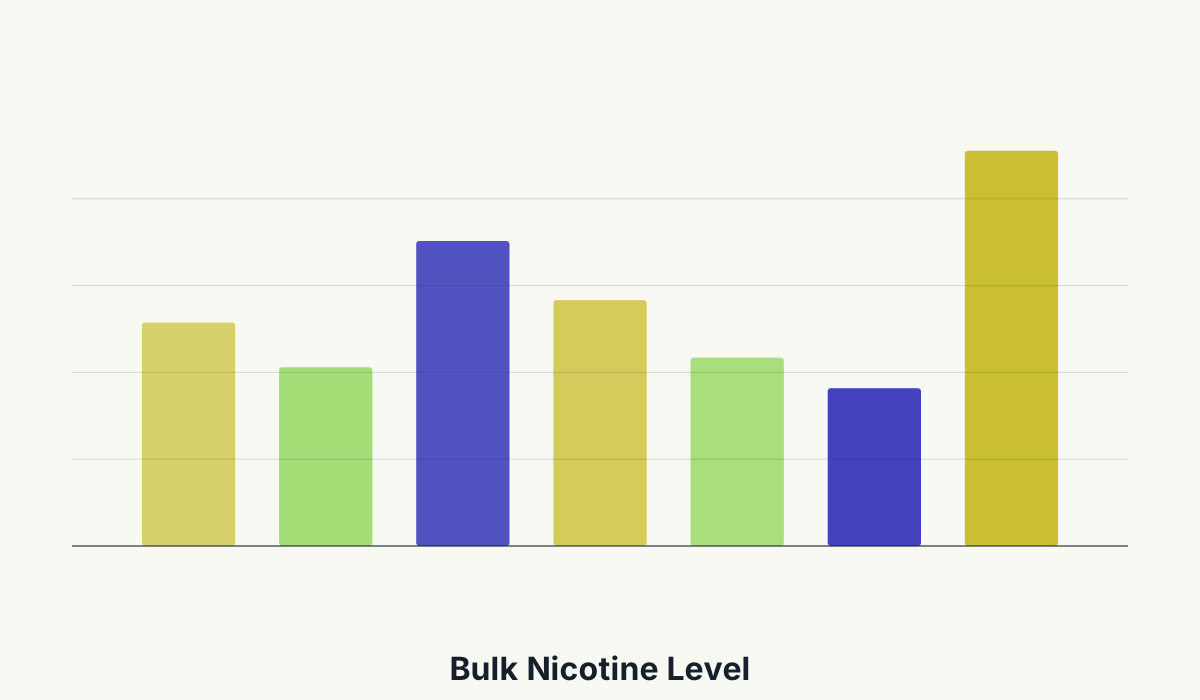
How Nicotine Level Fits the Assortment
Think about where nicotine level sits in your customer's week. If it is a weekly restock, breadth matters less than availability. If it is an occasional treat, flavour range and display story carry more weight.
Category planning for nicotine level works best when you map it against three shopper types: the restocker who already knows what they want, the switcher who wants something stronger, and the explorer who buys on flavour name alone.
How Nicotine Level Batches Are Checked
The defect rate that matters is the one your customer experiences, not the one the factory reports. Bridge that gap by inspecting the way a customer would open the box, not the way a line worker packs it.
Most defects in nicotine level are not dramatic. They are loose tolerances, a slightly thin seal, a mouthpiece that clicks. Left alone they turn into leak complaints, which are the single most common reason a retailer drops a line.
- Start with a mixed carton and let your own sell-through decide.
- Confirm the current customs classification with your own broker.
- Ask how the factory measures puff count, then compare like with like.
- Write the complaint threshold into the order terms.
- Plan the switch from air to sea freight before you need it.
What Nicotine Level Really Costs Landed
Hold a small nicotine level buffer in your pricing model for currency movement. A few percent on a container is a real number, and it is easier to plan for than to absorb.
Indicative reference points for planning purposes: entry tier from USD 1.05 per unit at 2000 units, mid tier at USD 1.22, and volume tier at USD 0.74 for full container quantities. These figures move with specification, packaging and freight, so treat them as a shape rather than a quote.
Getting Nicotine Level to Your Warehouse
Track nicotine level landed cost per unit as a running number, including duty and local delivery. It is the only figure that tells you whether a supplier change actually improved anything.
The Specification That Matters
Specification sheets are where a nicotine level deal is won or quietly lost. Two samples can look and taste the same while using different coil wire, different wicking density and different tolerances on the mouthpiece. Those details decide how the unit behaves in week three rather than minute three.
A written nicotine level specification should be short enough to read in a minute and precise enough to argue about. If a factory cannot confirm a number in writing, assume the number is whatever is cheapest that week.
| Product category | Closed pod |
|---|---|
| Resistance band | 1.2 - 1.4 ohm |
| Capacity tolerance | +/- 2% |
| Puff count method | Declared by capacity |
| Master carton | 120 units |
| Carton weight | 6.4 kg |
| Shelf life | 12 months |
| Storage | 15-25 C, dry, away from direct light |
Merchandising and Listing Tips
Rotate nicotine level facing rather than price for the first month. Visibility changes sell-through more reliably than a small discount, and it does not train customers to wait for offers.
Bundle nicotine level with a complementary item rather than discounting it outright. The perceived value holds up better and the second item often becomes a repeat purchase on its own.
Practical Checklist
- Ask how the factory measures puff count, then compare like with like.
- Model landed cost, not ex-works price, when comparing quotes.
- Plan the switch from air to sea freight before you need it.
- Write the complaint threshold into the order terms.
- Keep sealed retained samples from every production batch.
- Rotate stock by batch code rather than by delivery date.
Frequently Asked Questions
What does a sample pack usually include?
A typical nicotine level sample pack covers the strengths or variants you are most likely to list, packed so you can evaluate them side by side. Tell us which lines you are considering and we will match the pack to that rather than sending a generic selection.
What if I only need a small first order?
That is normal and sensible. A mixed carton lets you test nicotine level in your own market before committing to a production run, and the specification you approve at that stage carries through to larger orders unchanged.
Can the packaging be customised?
Yes. Most nicotine level programmes use private label packaging once volumes justify the printing plate. We supply dielines, check your artwork for print issues and hold approved files so reorders need no new setup.
Is there support for in-store material?
Yes. Shelf talkers, counter cards and simple planogram suggestions are available for nicotine level ranges that reach a sensible volume. Most retailers find the plain strength and flavour cards do the most work.
How should nicotine level be stored?
Cool, dry and out of direct sunlight. Heat and light are the two things that shorten shelf life fastest. Rotate stock by batch code rather than by arrival date, and keep cartons off concrete floors in humid warehouses.
Next Step
If you take one thing from this page, take the retained sample habit. It costs a few units per batch and it is the difference between a disagreement and a decision.
Related Reading
- Merchandising Nicotine Level Inside a Physical Store — Multi-Warehouse Networks
- Nicotine Level Print Methods for Cartons and Labels — Oceania
- Nicotine Level Chargeback Prevention for Retail Partners — 2026 Buyer Notes
- Nicotine Level Quality Drift: Catching It Before Customers Do — Tight Margin Categories
- Nicotine Level Nicotine Strength Selection for Mixed Cabinets — Seasonal Demand Peaks
- Nicotine Level Trade Credit and Account Terms — High Volume Buyers