 VapeWholesaleHub
Nicotine Level Sell Through Tracking Without Expensive Tools — EU Markets
A good nicotine level programme is boring in the best sense: same taste, same draw, same carton count, every single time. Getting there requires a shared vocabulary between you and the factory. Consider this page that vocabulary.
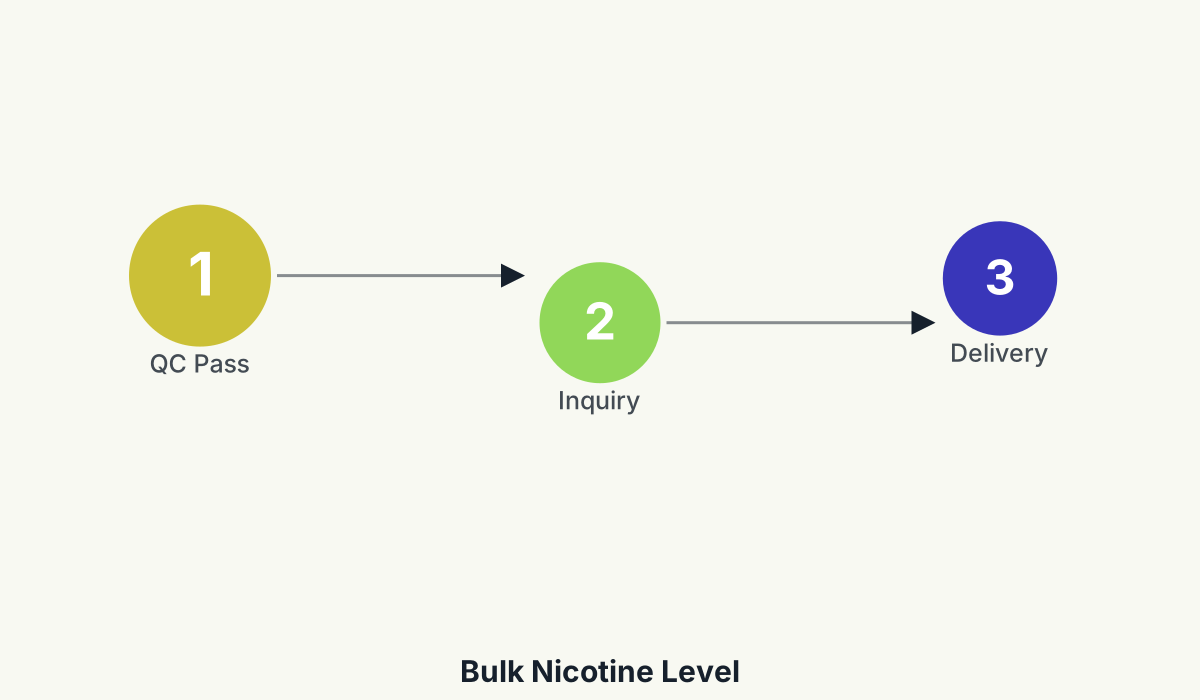
Quality Control in Practice
Random checks are fine, but weight the sample towards the start and end of a nicotine level production run. Those are where a line is most likely to drift.
- Agree the tolerance band in writing before approving artwork.
- Keep sealed retained samples from every production batch.
- Rotate stock by batch code rather than by delivery date.
- Plan the switch from air to sea freight before you need it.
- Start with a mixed carton and let your own sell-through decide.
Logistics That Protect Margin
Consolidating nicotine level with other lines is often the biggest single saving available to a mid size importer. The unit cost does not change but the landed cost does, sometimes materially.
Model nicotine level freight both ways before choosing a method: cost per unit and cost per week of delay. The second figure is the one that decides whether a cheap option was actually cheap.
Turning Nicotine Level Into Repeats
Put nicotine level where the decision is made, not where the margin is highest. In most stores that means near the counter or at eye level in the category, rather than wherever there is spare space.
Bundle nicotine level with a complementary item rather than discounting it outright. The perceived value holds up better and the second item often becomes a repeat purchase on its own.
Market Signals
Traceability is moving from a nice-to-have to a requirement in several nicotine level markets. Building the habit now is cheaper than retrofitting record keeping under pressure later.
Expect nicotine level packaging requirements to keep tightening. Designs that leave room for additional labelling age better than tight layouts that need a full reprint to comply.
Reading a Nicotine Level Spec Sheet
A written nicotine level specification should be short enough to read in a minute and precise enough to argue about. If a factory cannot confirm a number in writing, assume the number is whatever is cheapest that week.
When we write a nicotine level specification with a distributor, we fix four things first: the resistance band, the liquid capacity tolerance, the puff count methodology and the packaging master carton. Everything else can flex without changing the customer experience.
| Product category | Refillable kit |
|---|---|
| Resistance band | 1.2 - 1.4 ohm |
| Capacity tolerance | +/- 5% |
| Puff count method | Machine cycle 2s on / 18s off |
| Master carton | 120 units |
| Carton weight | 5.8 kg |
| Shelf life | 18 months |
| Storage | 15-25 C, dry, away from direct light |
Where Nicotine Level Sits in the Range
Range decisions for nicotine level should start from shelf space, not from a supplier catalogue. Count the facings you actually have, then decide how many of them this line deserves against what it currently earns.
Before anything else, decide which customer you are buying nicotine level for. A convenience counter with limited shelf depth needs a tight range that turns quickly, while a specialist shop can carry a deeper ladder of options and educate buyers into higher ticket lines.
Practical Checklist
- Confirm the current customs classification with your own broker.
- Plan the switch from air to sea freight before you need it.
- Rotate stock by batch code rather than by delivery date.
- Keep sealed retained samples from every production batch.
- Ask how the factory measures puff count, then compare like with like.
- Start with a mixed carton and let your own sell-through decide.
Frequently Asked Questions
How are price changes handled on repeat orders?
{K} pricing is reviewed against input costs and volume rather than adjusted casually. Any change is confirmed in writing before the next order is scheduled, with the reason stated so you can judge it yourself.
Do you provide compliance documents?
Every shipment leaves with the documentation set relevant to your market, including batch records and test reports where required. Your local rules still determine what you must file, so confirm those with your broker before import.
Can the packaging be customised?
Yes. Most nicotine level programmes use private label packaging once volumes justify the printing plate. We supply dielines, check your artwork for print issues and hold approved files so reorders need no new setup.
How should nicotine level be stored?
Cool, dry and out of direct sunlight. Heat and light are the two things that shorten shelf life fastest. Rotate stock by batch code rather than by arrival date, and keep cartons off concrete floors in humid warehouses.
Can I mix strengths in one order?
In most cases yes, as long as each strength meets the minimum run length. Mixed strength cartons are popular with retailers building their first display because they show the full ladder without over committing.
Next Step
Nobody wins when a first order is too large to learn from. Start with a mixed carton, check how it moves in your own market, then scale the lines that earned the shelf space.
Related Reading
- Nicotine Level Quality Drift: Catching It Before Customers Do — Low Minimum Quantities
- Nicotine Level Barcode and Labelling Requirements — 2026 Edition
- Nicotine Level Seasonal Peaks and Stock Cover — UK and Ireland
- Nicotine Level Specification Change Control — Three Price Tiers
- How to Store Nicotine Level Stock Without Losing Freshness — 2026 Buyer Notes
- Nicotine Level Approval Workflow From Sample to Shipment — Plain Language