 VapeWholesaleHub
Nicotine Level Quality Drift: Catching It Before Customers Do — Multi-Warehouse Networks
If you are comparing nicotine level suppliers right now, you are probably looking at three quotes that look identical and cost very different amounts. That gap usually comes down to cell grade, coil consistency and how honest the factory is about tolerances. Let us unpack it.
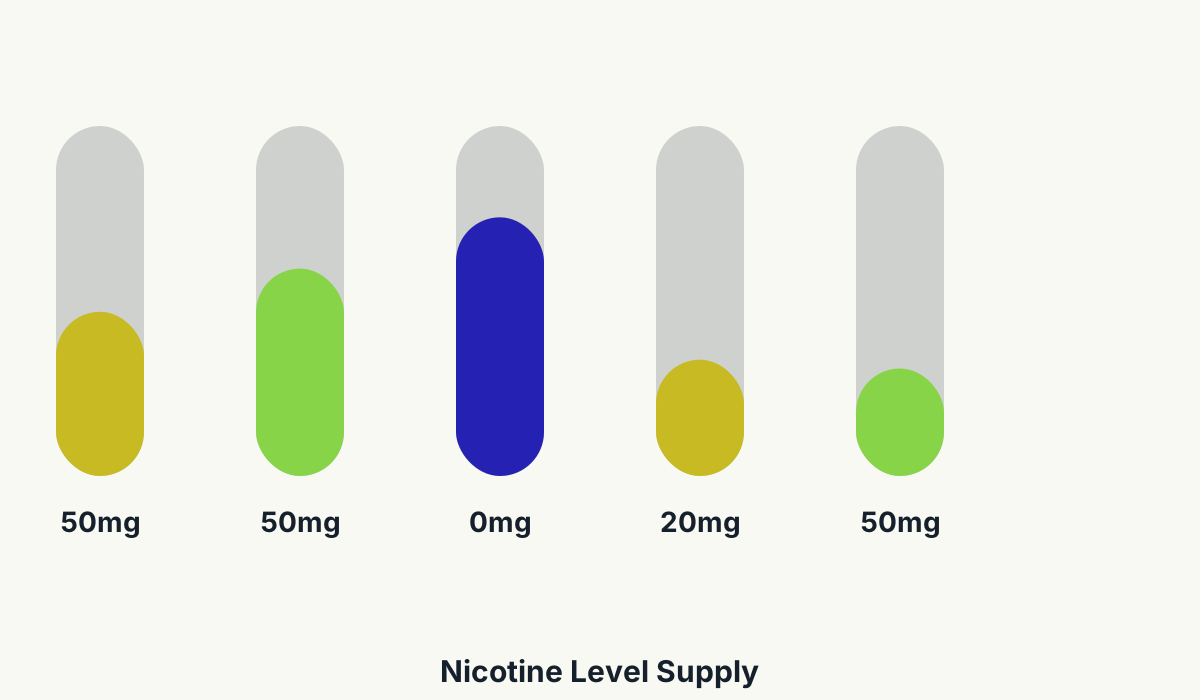
How Nicotine Level Batches Are Checked
Random checks are fine, but weight the sample towards the start and end of a nicotine level production run. Those are where a line is most likely to drift.
The cheapest quality control step is a retained sample. Keeping three sealed units from every nicotine level batch costs almost nothing and turns any dispute into a simple comparison instead of an argument over photographs.
- Start with a mixed carton and let your own sell-through decide.
- Ask how the factory measures puff count, then compare like with like.
- Rotate stock by batch code rather than by delivery date.
- Write the complaint threshold into the order terms.
- Check carton dimensions against your freight quote before confirming.
Selling Nicotine Level at Store Level
Keep the nicotine level range tidy. A half empty shelf reads as a dying line, and customers interpret it that way faster than any signage can correct.
What Nicotine Level Really Costs Landed
Build nicotine level price tiers around order sizes your customers actually place. Tiers that only make sense on a spreadsheet get ignored, and you end up discounting ad hoc instead.
The cheapest nicotine level quote is rarely the cheapest outcome. Add freight, defect handling, delay risk and the staff time spent chasing, then compare again. The ranking often changes.
Indicative reference points for planning purposes: entry tier from USD 0.93 per unit at 1000 units, mid tier at USD 1.80, and volume tier at USD 1.45 for full container quantities. These figures move with specification, packaging and freight, so treat them as a shape rather than a quote.
How Nicotine Level Fits the Assortment
One useful exercise: list every nicotine level line you stock and mark the last date each one sold at full price. Anything without a recent full price sale is taking space from something that would use it better.
Trends Worth Watching
The most durable nicotine level lines over the last few years have been unglamorous and consistent. Novelty sells once; reliability sells every month.
The nicotine level category is consolidating around suppliers who can document what they ship. Buyers who built that requirement into their process early are now finding it much easier to scale.
The Specification That Matters
A written nicotine level specification should be short enough to read in a minute and precise enough to argue about. If a factory cannot confirm a number in writing, assume the number is whatever is cheapest that week.
Revisit the nicotine level specification after every third order. Small improvements compound, and factories take a buyer more seriously when the document has clearly been used.
| Product category | Closed pod |
|---|---|
| Resistance band | 1.0 - 1.2 ohm |
| Capacity tolerance | +/- 5% |
| Puff count method | Declared by capacity |
| Master carton | 300 units |
| Carton weight | 5.5 kg |
| Shelf life | 12 months |
| Storage | 15-25 C, dry, away from direct light |

Practical Checklist
- Model landed cost, not ex-works price, when comparing quotes.
- Ask how the factory measures puff count, then compare like with like.
- Agree the tolerance band in writing before approving artwork.
- Rotate stock by batch code rather than by delivery date.
- Write the complaint threshold into the order terms.
- Keep sealed retained samples from every production batch.
Frequently Asked Questions
What happens if my market changes its rules?
Regulations move, and packaging or documentation sometimes has to follow. We keep approved artwork files on hand so that a required change is a reprint rather than a redesign, which keeps the cost and delay down.
Can I mix strengths in one order?
In most cases yes, as long as each strength meets the minimum run length. Mixed strength cartons are popular with retailers building their first display because they show the full ladder without over committing.
What information do you need to quote?
Target specification, approximate quantity, destination and any packaging requirement. With those four we can usually come back with a costed option the same working day rather than a request for more information.
What does a sample pack usually include?
A typical nicotine level sample pack covers the strengths or variants you are most likely to list, packed so you can evaluate them side by side. Tell us which lines you are considering and we will match the pack to that rather than sending a generic selection.
Next Step
Questions that are not answered here are usually the interesting ones. Reach out with the specifics of your market and we will answer with numbers rather than adjectives.
Related Reading
- Nicotine Level Packaging Formats That Reduce Damage Claims — Repeat Orders
- Nicotine Level Reading Factory Capacity Honestly — the Middle East
- Nicotine Level Product Photography for Listings — the Middle East
- Certification Routes for Nicotine Level in Different Markets — High Volume Buyers
- Nicotine Level Product Testing Laboratories Explained — EU Markets
- Nicotine Level Chargeback Prevention for Retail Partners — Three Price Tiers