 VapeWholesaleHub
Nicotine Level Batch Recall Traceability in Practice — Updated for 2026
Nicotine Level has moved from a niche listing to a category that most vape retailers simply have to carry. That popularity brought a flood of near identical offers. This guide explains how to separate a repeatable supply chain from a lucky sample.
Where Demand Is Heading
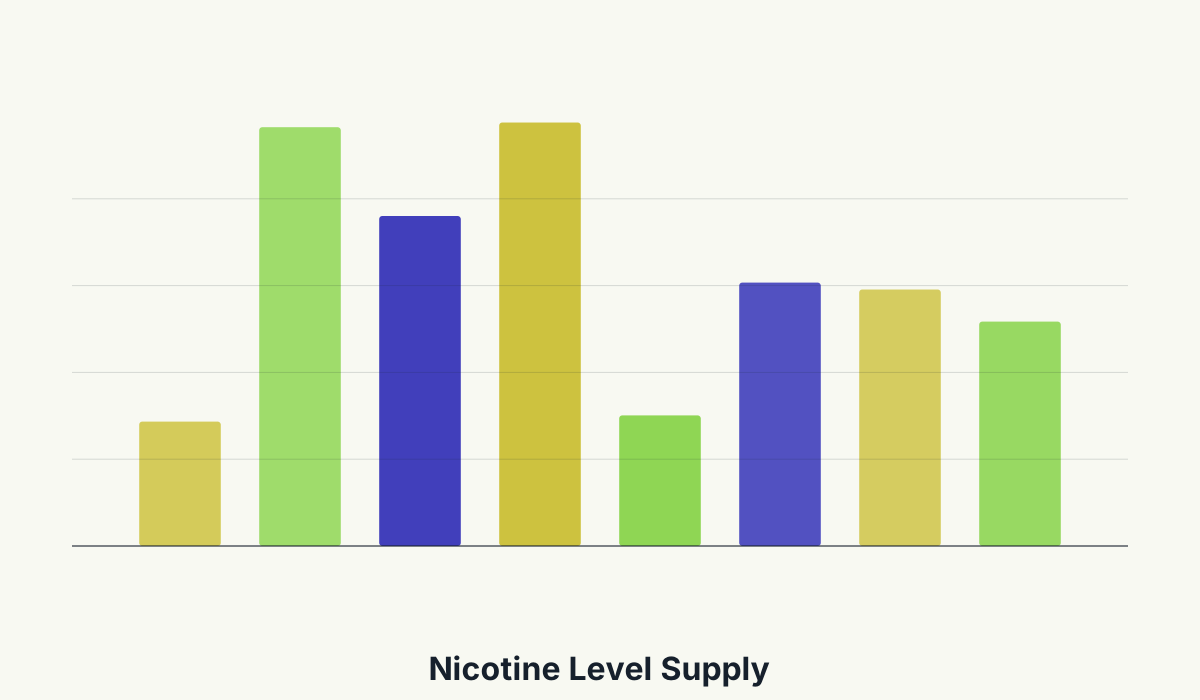
The most durable nicotine level lines over the last few years have been unglamorous and consistent. Novelty sells once; reliability sells every month.
Traceability is moving from a nice-to-have to a requirement in several nicotine level markets. Building the habit now is cheaper than retrofitting record keeping under pressure later.
Quality Control in Practice
Inspection is only useful if the result is recorded somewhere you can find it later. A nicotine level batch log with weights, codes and measurements turns a future complaint into a five minute lookup.
Most defects in nicotine level are not dramatic. They are loose tolerances, a slightly thin seal, a mouthpiece that clicks. Left alone they turn into leak complaints, which are the single most common reason a retailer drops a line.
- Rotate stock by batch code rather than by delivery date.
- Ask how the factory measures puff count, then compare like with like.
- Confirm the current customs classification with your own broker.
- Agree the tolerance band in writing before approving artwork.
- Write the complaint threshold into the order terms.
Getting Nicotine Level to Your Warehouse
Consolidating nicotine level with other lines is often the biggest single saving available to a mid size importer. The unit cost does not change but the landed cost does, sometimes materially.
Customs classification for nicotine level varies by market and changes from time to time. We ship with full documentation, but your broker should confirm the current code before your first order rather than after it lands.
Turning Nicotine Level Into Repeats
Staff knowledge moves nicotine level more than any fixture. A two minute explanation of the difference between this line and the one next to it converts a browsing shopper into a repeat buyer far more reliably than a discount.
Put nicotine level where the decision is made, not where the margin is highest. In most stores that means near the counter or at eye level in the category, rather than wherever there is spare space.
What Nicotine Level Really Costs Landed
Discounting nicotine level to win shelf space tends to reset customer expectations permanently. Volume support in kind, such as display material, usually costs less in the long run.
Indicative reference points for planning purposes: entry tier from USD 1.73 per unit at 1000 units, mid tier at USD 0.77, and volume tier at USD 0.97 for full container quantities. These figures move with specification, packaging and freight, so treat them as a shape rather than a quote.
Where Nicotine Level Sits in the Range
Range decisions for nicotine level should start from shelf space, not from a supplier catalogue. Count the facings you actually have, then decide how many of them this line deserves against what it currently earns.
Decide early whether nicotine level is a traffic driver or a margin line in your store. The answer changes how you price it, where you place it and how hard you push it at the counter.
Practical Checklist
- Model landed cost, not ex-works price, when comparing quotes.
- Confirm the current customs classification with your own broker.
- Keep sealed retained samples from every production batch.
- Write the complaint threshold into the order terms.
- Check carton dimensions against your freight quote before confirming.
- Agree the tolerance band in writing before approving artwork.
Frequently Asked Questions
What if a batch does not match the sample?
Keep the retained samples from the approval stage. If a delivered batch measurably differs, we compare against the retained set and resolve it against the production record. This is why we insist on sealed retained units from every run.
What if I only need a small first order?
That is normal and sensible. A mixed carton lets you test nicotine level in your own market before committing to a production run, and the specification you approve at that stage carries through to larger orders unchanged.
How do you handle a short shipment?
Cartons are counted and weighed before dispatch and the figures are shared with you. If something is short on arrival, the packing record and the carrier documentation are both available, which keeps the claim straightforward.
Do you provide compliance documents?
Every shipment leaves with the documentation set relevant to your market, including batch records and test reports where required. Your local rules still determine what you must file, so confirm those with your broker before import.
Next Step
Nobody wins when a first order is too large to learn from. Start with a mixed carton, check how it moves in your own market, then scale the lines that earned the shelf space.
Related Reading
- Nicotine Level Humidity Control in Coastal Warehouses — Seasonal Demand Peaks
- Supplier Audit Checklist for Nicotine Level Orders — Real Numbers Only
- Common Nicotine Level Mistakes New Distributors Make — Seasonal Demand Peaks
- How Nicotine Level Performs in Different Climate Conditions — 2026 Edition
- Merchandising Nicotine Level Inside a Physical Store — Real Numbers Only
- Nicotine Level OEM and ODM: Which Model Fits Your Business — Oceania